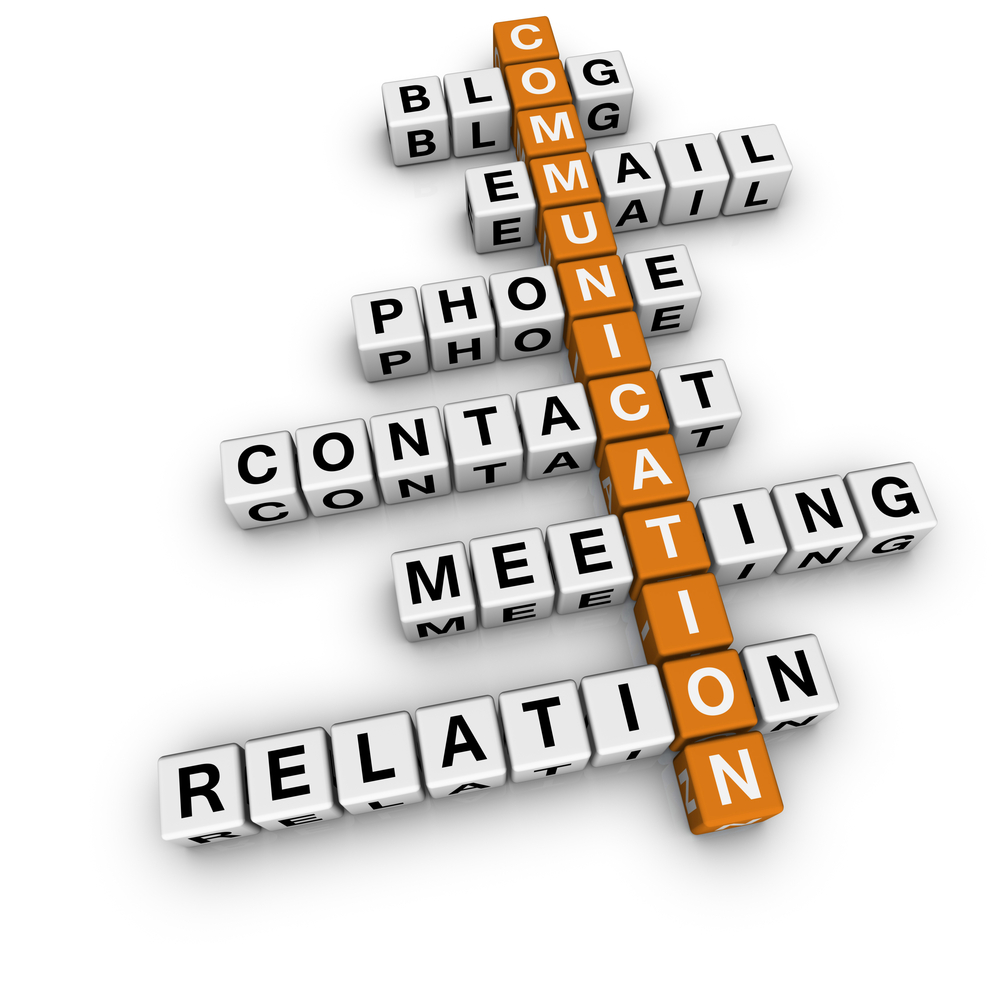
My Vision of the Future project centres on creating collaboration amongst teacher librarians to support ongoing learning as we move toward authentic integration of technology and 21st Century skills in our lessons. This project is a network opportunity for teacher librarians to develop relationships, skills, and best practices. The networking website I have created as my Vision of the Future project is intended to be dynamic in that I envision members to join in on conversations, make contributions to the site through blogging and media categories, and use the ideas and resources shared there to expand collaboration with others. Rather than work in isolation at each individual school, I hope for teacher librarians to build this network as a team, supporting and inspiring each other.
I am happy to report that what I learned in LIBE 477 made significant contributions towards my ability to complete the Vision of the Future project! Our discussions about the Why School book prompted me to think more deeply about the integration of technology in education and how it is necessary to ensure that the use of technology in school is authentic and purposeful. I was also inspired by our discussions about 21st Century skills and included this as a specific blogging category on my Vision of the Future project website. I'd have to say that the most significant "take away" from LIBE 477 is the exposure to social networking. I really hadn't thought too much about how to network with others outside of using Google or email to search for and communicate what everyone else is doing. Now that the course is over, I am almost embarrassed by my primitive approach to networking.The upside to this story is that I learned a lot and feel much more confident about moving forward with my exploration of this thing called social media!
While I am pleased with my Vision of the Future project, it nearly cost me my sanity to make it! I chose to use my District's portal system to create the website and blog because in doing so, I would be able to access tech support (thank goodness). The program is extremely difficult, finicky, and downright obstinate most of the time. I am not happy with how limiting it is in terms of formatting and I am worried that it will be difficult for members that are unfamiliar with the program to make contributions...which is the entire purpose of the network!
I look forward to further developing my Vision of the Future project website and I anticipate that, as soon as I get the "go ahead" from the District to share the site publicly, I will undoubtedly be "super charged" when other people start making contributions to the site...and my Vision becomes a reality.
Please follow this link to view my Vision of the Future project: School Librarian's Network
(If the link does not work, please copy and paste this link into your url bar to view the new website:
https://portal.sd22.bc.ca/public/nzttsn24mn3g64ldmrqwi/Pages/librariannetwork.aspx)
My Vision project is coming along...not easily...but it is in the works! I have decided to try to use our District's portal system to create a simple website with a home page (news, announcements, calendar), a media gallery, and a blog section. My project is all about creating a network for teacher librarians to be able to share ideas and resources easily and efficiently. I expect the website to evolve once others begin to contribute to it. I am particular about efficiency and organization so I have started some categories for the blog posts and I am working on organizing the resource links as well.
I choose to use the District's system for a few reasons:
1. The timeline for this project is tight and I couldn't really afford to go "back and forth" in getting permission for another option
2. A huge benefit to the District's system is that I can get support from our District tech department staff (thank goodness!) in creating the website.
3. Another benefit to the District system is that the framework for the website is already in place and that helps to guide me personalizing the space.
One of my biggest challenges was just trying to figure out where and how to begin! Since it is Spring break, most of the tech staff is unavailable so I had to just "jump in" without really knowing if I was making the right decision in terms of the question of which format to choose for the Vision project. Another challenge is that now that I have made the decision to use the District's portal system and I have spent some time "mucking around" with it, I don't really love it. It has all the right "bones", but it is very restrictive in terms of formatting. I like things to be visually appealing and I haven't figured out a way to make that happen on this particular system yet. I am hoping that once Spring break is over (tomorrow!) that one of our tech helpers will be able to help me...fingers crossed that it is just my lack of understanding that is the limiting factor here and not the system...I want colour and pictures on the TL network website! And that's another challenge - I haven't figured out exactly what to call this website. It's not a school library website. It is a sharing site for TL's..."the school librarian's network" or "the teacher librarian's network" or ???
Overall, I am pleased to have started my Vision project and I think that I have overcome a few obstacles on my own. I know that I need some tech support to finish this project properly and realize that simply may not occur before the project is due! I am optimistic about starting this network and I feel confident that, once it is in place, my colleagues will get involved and contribute to a space that meets their needs. I am looking forward to it!
My Vision for the Future project aims to fill a communication gap for my fellow teacher-librarians. My vision is that teacher-librarians in our District (and beyond!) will have a central location to network from. This network will (hopefully) include an area for general discussions, links to resources, ideas for libraries (learning commons, etc.), a student inquiry section, and...much more! I think that classroom teachers may also access the resources that I hope to provide such as links to literature, discussions about good read-aloud books, and 21st Century inquiry learning ideas for students. If things go well, I may include a section for students targeting inquiry based learning such as project ideas, links to research resources, and some sort of support for students as they conduct their projects (maybe a Q&A blog section...???).
It seems I have more questions than answers at this point about what I need to include but I will get there! I am sending out emails to local colleagues to get ideas and working with my tech teacher to figure out some formatting. At this point, my website must be within the school district's portal. We are exploring some options to make it visible to others outside our district. Certainly this project is going to entail a little more "tech-savvy-ness" than I might currently be equipped with...but I'll get there!
I looked at a few websites to narrow down some of the content for my own Vision project. I think one of the challenges will be to keep the website manageable by maintaining focus on the target audience. Even in my rationale above, I can see that it would be easy to "stray"! I need to focus on what my colleagues need in this network project. I can include students and parents on my school library website rather than my TL network. There are many Wikispaces "out there" to use as reference for my Vision...is it just me, or are many of them "cluttered"? It definitely is intimidating to go onto a space that has "too much" (webinars, events, classroom ideas, twitter feeds, digital imaging, book talks, tech knowledge...). I want a space that is a balance of easy to navigate, informative and resourceful, and of course welcoming to anyone looking for support, ideas and discussion in their endeavors as teacher-librarians.
References for images:
1. Join hands with wikispaces - follow link here
2. Question mark: http://fc02.deviantart.net/fs37/i/2008/258/7/5/Question_Mark_by_Bushlemon.jpg
I have two ideas for my Vision of the Future project...decisions, decisions!
My first idea is quite simple but I think will fill a gigantic gap that currently exists in our District. I want to develop a "School Libraries" or "School Librarians" network for our local area that is more comprehensive than just email. Now that I have learned about blogging, I am thinking that this might be a good way to go...however, I also think that just developing a website might also be a way to go...
My rationale for this Vision of the Future project is two-fold:
Our District doesn't have a School Libraries/Librarians network other than email and I believe that this would be beneficial. Our District doesn't have many school librarians in terms of fte hours as we have seen drastic cutbacks to teacher-librarian (TL) positions. That means that we have many TL's but they work 'bits and pieces' of library time while they juggle other positions. They simply do not have the time to to go looking for support or resources. A communication network that is easy to find and well laid out will provide a quick "go to" for support and reference.
I am passionate about building collaboration across our District. We have "bits and pieces" of this happening through a variety of specific initiatives but overall, our District is weak in terms of sharing resources and ideas. Schools generally operate as "islands" of people and materials and rarely are the human resources or material resources shared. I believe a network that allows for discussion and sharing of ideas will help bridge the gaps between schools.
Which format to develop this network with requires some thought. Off the top of my head, a blog seems easy enough but I'm not sure if the lay-out meshes with my vision in terms of access for others and the resources I want shared. A website would be much better but I may be limited by the District's system for setting this up. I definitely could create one for our local TL's but it would be inside our District portal, which means that anyone outside our District would not be able to access it. I'd like our local TL's to be able to connect to the rest of the world too!
Add caption
My second idea is to create Vision for the Future project focused on bringing Library Commons to our District. We have "the rumblings" in terms of the fact that people have heard about it, but in truth, Library Commons is a mystery to us! I could make a presentation on this innovative idea that will "sell" the idea of making our Libraries into Library Commons. My rationale for this project would be two-fold:
I think this could be very inspirational for our District and could be the backbone for the investment into resources to support 21st C learning and the BC Ed plan. We have TL's that are skilled and passionate about student learning but we need resources and time to make it happen.
This type of project that highlights what is happening elsewhere could be the catalyst for pedagogical shift that some of our TL's might be looking for. Some of the TL's I've talked to personally feel that our libraries and librarians are highly underutilized resources with the current "read-a-story-book-exchange" model. TL's want to be part of initiatives that are happening in the school and they want to support deeper student learning. We need to inspire our teachers to branch away from the current model and see how the library could support them in their endeavours to be innovative, allow for student inquiry, and bring passion and exploration to their students' learning.
In terms of format for this project, I am thinking that a power point with video and sound embedded would be the way to go so that it can be easily shared via email etc. In keeping with my ideals about collaboration, I would want others to easily be able to view my project and perhaps find inspiration in it. While I'm excited about this project and feel that it would be highly valuable, a have a feeling it has already been done (I just haven't had a chance to look yet!).
John Dewey says that we learn not from experience but from reflecting on our experiences. After all this exploration, I do have a few things to reflect on, leading me to one major takeaway that will guide my professional development and practice moving forward. First, throughout this course I have been repeatedly reminded that communication and connecting with others is important to my development. It is not only an informative piece, but I think more importantly, it is an inspirational piece. Reading other peoples' recommendations, trial and errors, and successes has been a great benefit to me in developing my knowledge but what I enjoyed the most is the excitement in their posts. It reminds me of when children find a book or a series that they just love. They're animated, excited, and insatiable! That kind of energy and enthusiasm for reading is inspiring! I will make it part of my professional goals to maintain communication and find ways to share ideas and resources with other teacher-librarians.
Second, explorations throughout this course have solidified even more so my belief that learning experiences integrating technology need to be authentic and clearly purposeful. Our new curriculum (drafts) is deeply rooted in 21st C competencies and skills and I strongly believe that one of our best avenues for supporting students in these acquisitions is the school library program. Being innovative and "tech-savvy" in the elementary school library helps everyone - the students and the staff! It's the perfect avenue to model and implement technology experiences that are meaningful and support student learning as well as teacher professional development.
My major takeaway from Phase 2 ties both of my reflective pieces into my vision for the future and is quite simply that my library program needs a major overhaul! The current library program is severely outdated and to be honest, it drives me crazy! I will need to find a way to "sell" the staff on the idea of the library being a Learning Commons instead of the traditional read-aloud-exchange-your-books model that it currently is. Obviously this is going to take some time, resources, and will-power! That's where I need inspiration from my communications with others as well as the foundation of 21st Century skills to support this change. It's a challenge that I know I will enjoy and that I will gain a wealth of experiences from. Moving forward, I will focus on proving to my staff how the library program can be an authentic technological experience that deepens learning for their students...now I just need to get my hands on some technology for my library!! It was completely embarrassing today when I had a guest speaker in the library and we had to use a stand alone screen with wood paneling (circa. 1970) on it to project her website onto! Not only that, the top of the stand was broken so we had to stand the screen on top of a table so that it would be high enough for students to see...sigh...one step at a time!
I was glad that this week's blog question included the benefits of mobile devices to libraries in both developing and developing nations. There's no doubt in my mind that yes, all libraries can benefit from mobile devices. I am not talking about cell phones and game centres, but just the good old laptop! Imagine if EVERYONE could have access to a laptop? I searched around and found this perfect example from India called E-path. Whether or not India is still considered a developing nation or not is a topic for debate, but I liked the way that Akhil Paul, director of Sense International India (1), discussed that in terms of education and accessibility, he considers India as a developing nation with a long way to go.
When I started to read about E-path-on-Wheels I was immediately drawn to the wonder of how amazing it would be to be able to provide this service! I can think of populations right here in our own city of Vernon that would benefit from a tech-based "Library on Wheels". For example, I think of how many learning opportunities we could provide as an early intervention to improve kindergarten readiness if we could provide our young frazzled families meaningful learning opportunities practically to their door. Maybe I'm just a "bleeding heart" educator, but when I read about children getting great opportunities like what is happening with E-path on wheels, it really does inspire me.
The mission of E-path on Wheels is to enhance educational
opportunities for underprivileged children from kindergarten through
12th grade. Our goal is to bring the outside world to isolated areas and
provide children a unique opportunity to experientially learn through
extensive use of technology. Children are provided digital study aids, tutoring and mentoring in respective age groups.
Salient Features
The mobile school on wheels is a custom built replica of a modern day techno savvy classroom on wheels.
Teaching is imparted through computers, touch based tablets, screen and projector.
Education is imparted through use of visual aids like animation, slideshows and educational videos.
The mobile unit covers an area depending on
remoteness of the area, population, number of children in specific age
and group, family income, occupation, education levels, etc.
Participants are engaged in formal and non-formal
education, remedial classes, study tours, exposure trips, health
checkups, awareness sessions on personal hygiene, de-addiction,
life-skills, safe environment, etc. to make a difference in their
overall well being.
The description on the e-path website above is an excellent example of using technology to move communities forward, increase accessibility, and improve skills.
Part of our blog question this week is whether or not there is benefit in BYOD models in schools. This fits in with my previous blog posts in that I don't think the type of device matters but rather, the authenticity of the experience. Whether students surf the Net of their personal device or one of the school's laptops really isn't the issue. The purpose for accessing the Net is what is important. Yes, we will have to spend time educating students on appropriate uses etc., but we already do that...BYOD can definitely have benefits and many would argue that personal devices improve student motivation. As noted by the Learning Design Team at Penn State's World Campus (2011), educational opportunities using technologies that evolve to meet the demands of student learning styles do motivate students. Like anything in education, I think a balanced process is going to yield the best results in the end.
As a Teacher-Librarian and a Vice-Principal, I highly value a service approach to my everyday work. It is my firm belief that both of these roles within my school community are founded on the need to provide support to students, colleagues/staff, and parents. In terms of meeting the ICT needs of those stakeholders, there are a few things that I try to do regularly and a few things that I am trying to implement. Each stakeholder group requires me to be supportive of their technology needs in different ways but generally speaking, they all need communication about technology and enthusiastic modeling of practical uses for technology.
Communication: Regular communication with practical ideas
about how to use aspects of technology is critical - we need to reach
them! We need to be cognizant of what their needs are, make predictions
about what they might need, and follow through with supporting their
explorations. I have often found that many people won't use technology
only because they don't know what they don't know! They have no idea
what they're missing (like me and Twitter). A simple, yet
perfect, example of this just happened to me last week. A staff member
was talking about how much work it takes her to make new bingo cards for
each different topic she wanted to cover in her french lessons. I asked
her what she was using to make them...she was writing them by hand and
used a good ol' ruler and a marker to make the template for the cards. In
less than two minutes I was able to show her a sample of what was
available online for making bingo cards.
It opened up a whole new world of thinking for her and of course, I was
right there to support her endeavors! The point is, she just didn't
know and she doesn't have the "technological confidence" to go looking
without some kind of modeling and support. I communicate ideas mostly
via email as that reaches all of my colleagues regardless of their
technological level. Email is established as our district's method of
communication and so even the least tech-interested must use it. When I
finally get my library site going, I look forward to being a lot more
creative and engaging than just using email. Some of the useful things I try to communicate via email are websites, opportunities for using technology, and I have just come up with the idea that I can colour scan covers of new books that I get in the library and email those to classroom teachers too as a way of promoting new materials that might be immediately relevant to them. Communication opens doors
for people and I am so happy to be able to help them take a step
through! Modeling:I have always been a "let's try it today!" kind of person and that is the approach that I take to modeling technology. Whenever I come across something that I like in terms of using technology, I do not hesitate to share it with my colleagues. I offer my support to facilitate implementation and definitely invite anyone interested to come and see it in action. For example, I have attended several in-services on using SMARTBoards in the classroom and in turn, I have shared my learning and experiences with others during professional development days. I invite others to come into my classroom at any time so they can see it in action with real students. In modeling the "everyday" uses of technology, I think we will get more "believers". If you only show the golden lesson, then it seems contrived and intimidating. Showing the everyday and simply integration of technology makes it seem "do-able" for all end users.
Service and support are critical pieces to any change process and ultimately these are the pieces that maintain the momentum needed to make the change long lasting and meaningful.
...and did you know there's an actual condition called technophilia? This is described on Wikipedia as "a strong enthusiasm for technology". And of course, that means there's also technophobia...





 John Dewey says that we learn not from experience but from reflecting on our experiences. After all this exploration, I do have a few things to reflect on, leading me to one major takeaway that will guide my professional development and practice moving forward. First, throughout this course I have been repeatedly reminded that communication and connecting with others is important to my development. It is not only an informative piece, but I think more importantly, it is an inspirational piece. Reading other peoples' recommendations, trial and errors, and successes has been a great benefit to me in developing my knowledge but what I enjoyed the most is the excitement in their posts. It reminds me of when children find a book or a series that they just love. They're animated, excited, and insatiable! That kind of energy and enthusiasm for reading is inspiring! I will make it part of my professional goals to maintain communication and find ways to share ideas and resources with other teacher-librarians.